Video
DPW Amsterdam 2025 | Q&A
8 minutes
Description
Procurement has spent years polishing the edges while the core problem stayed untouched. Direct Materials represent the largest source of spend for global enterprises, yet teams still manage them with spreadsheets, email, and tools built for something else entirely. Even at companies like Tesla, the gap between how products are designed, sourced, and financed is wide and expensive.
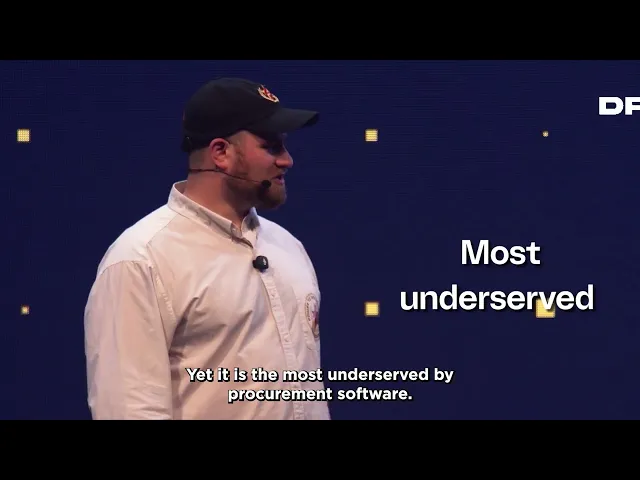
Spencer Penn breaks down why this happened. Engineering works upstream in PLM, finance works downstream in ERP, and procurement is left to bridge the two without a real system of record. Meanwhile, the industry doubled down on Source to Pay, optimizing indirect workflows while ignoring where the real dollars live.
The result is a market mismatch hiding in plain sight. A $25 trillion Direct Materials problem solved with tools that were never designed for it. LightSource’s thesis is simple: Direct needs its own operating system, built for complexity, scale, and how physical products actually get made.
Speakers
Spencer Penn
CEO & Co Founder
Key moments
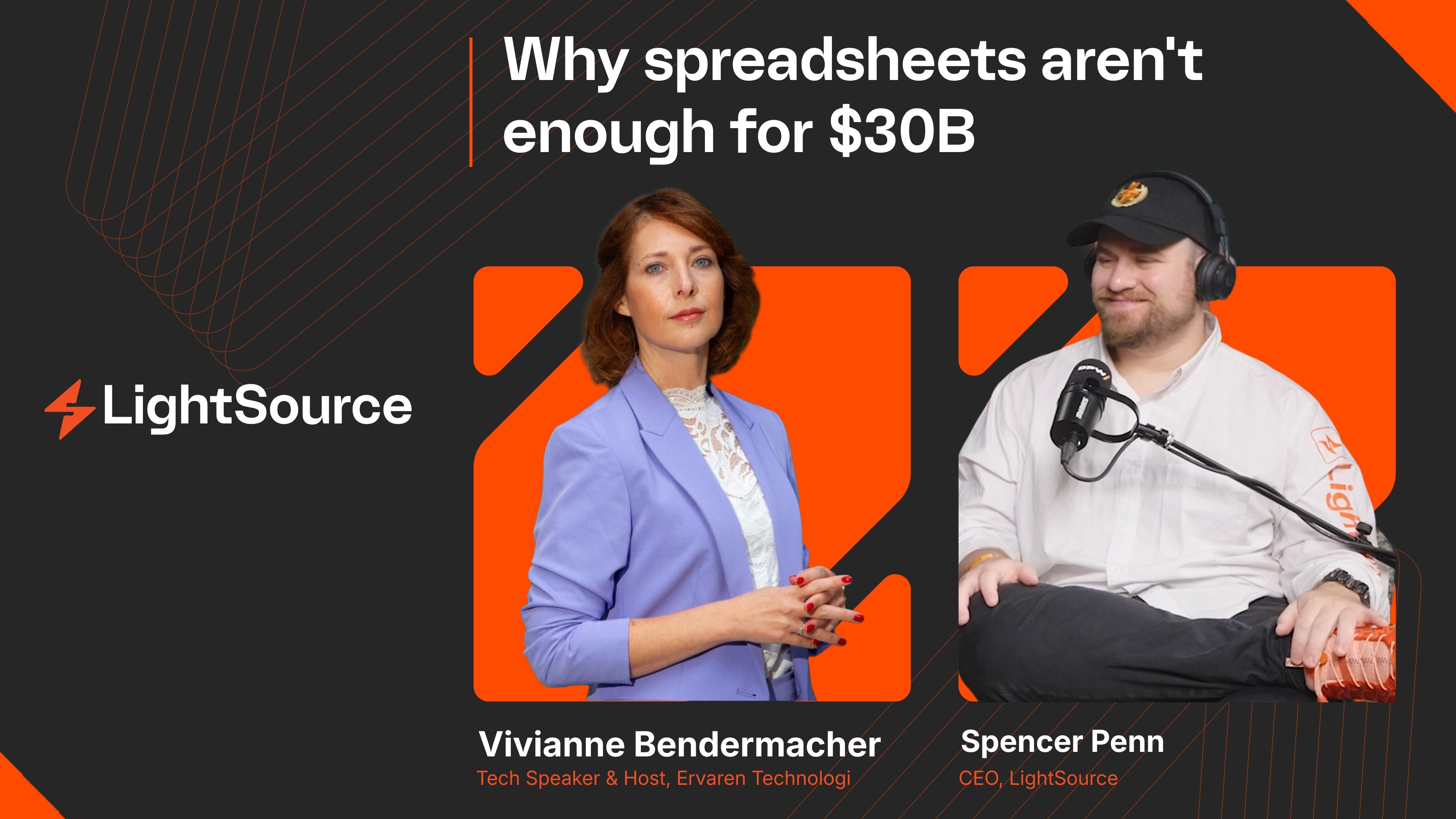
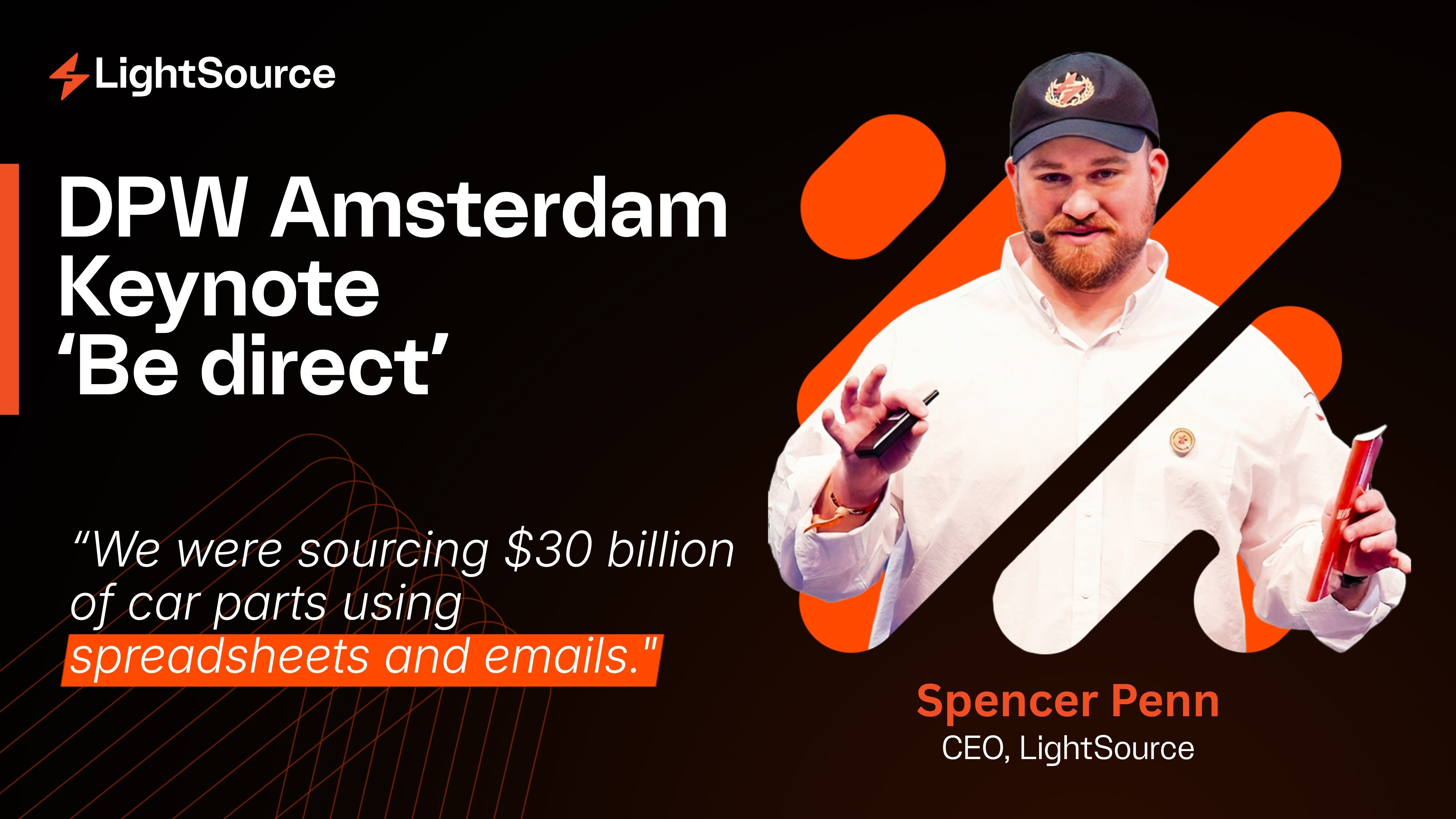
The Tesla wake-up call: Why spreadsheets aren't enough for $30B
Spencer Penn reveals that even at Tesla, $30B in direct materials were sourced with spreadsheets and email. It was a wake-up call that the biggest spend category is still the least supported by real software.
The PLM to ERP Gap: Stuck with two bad choices
Engineering lives in PLM, finance lives in ERP, and procurement is stuck in the middle with bad options. Spencer explains how this gap forces teams to rely on spreadsheets or misuse tools never built for Direct Materials.
The 25 Trillion dollar blind spot: Why Direct materials matter
Direct materials are the largest line item on nearly every major income statement, from Apple to PepsiCo. Yet procurement tech vendors continue to chase indirect spend while ignoring a $25 trillion market.

What LightSource is: A single ecosystem for Direct Materials
LightSource was built to fix what legacy tools can’t. Spencer positions it as an operating system for Direct Materials, replacing fragmented workflows with one end-to-end system.
The S2P distraction: Why Source-to-Pay is not the answer for Direct Materials
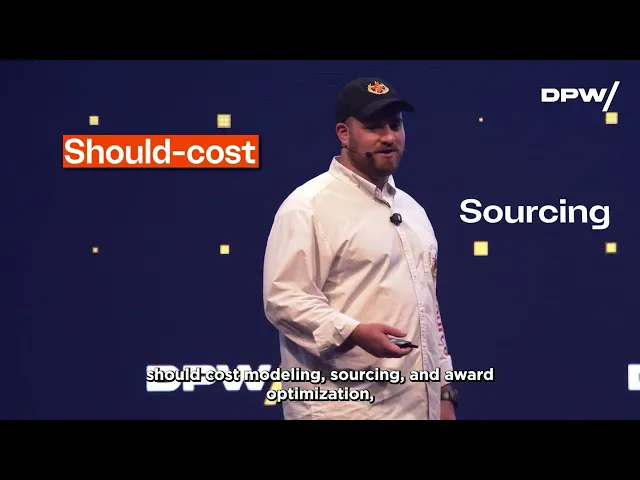
Spencer argues that two decades of S2P obsession slowed real progress. Companies optimized administrative noise while losing sight of the direct spend that actually moves the business.

See this sourcing workflow in practice.
LightSource is the AI-native sourcing platform for direct materials. See it on your own parts and suppliers.